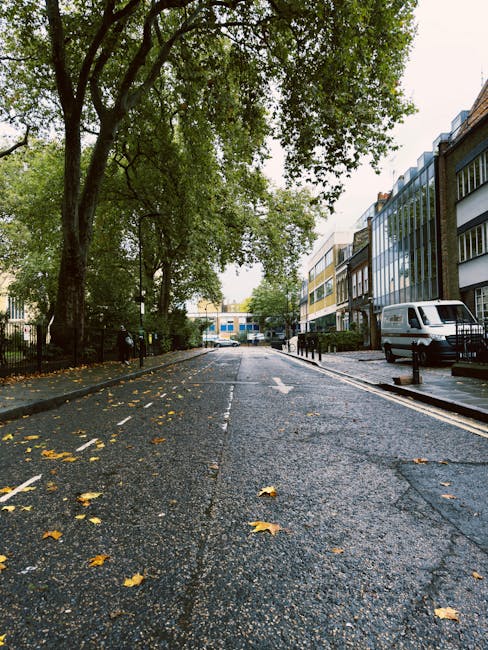
Bishops Bridge Road removals advice W2: a practical guide for smoother moves
Moving on or near Bishops Bridge Road in W2 can feel simple on paper and then suddenly turn complicated the moment you start thinking about access, parking, stairs, time windows, and how many boxes you actually own. If you are looking for Bishops Bridge Road removals advice W2, you probably want the real-world version: what matters, what trips people up, and how to make the move less stressful from the start.
This guide is written for people moving flats, houses, or small premises around Paddington and the surrounding W2 streets. It covers planning, packing, access issues, timing, local practicalities, and the choices that usually make the biggest difference. Truth be told, a good move in central London is often less about muscle and more about preparation.
Below you will find a clear step-by-step breakdown, a comparison table, a realistic example, a checklist, and answers to the questions people ask most often. Keep it handy while you plan, because a little structure goes a long way.
Table of Contents
- Why Bishops Bridge Road removals advice W2 Matters
- How Bishops Bridge Road removals advice W2 Works
- Key Benefits and Practical Advantages
- Who This Is For and When It Makes Sense
- Step-by-Step Guidance
- Expert Tips for Better Results
- Common Mistakes to Avoid
- Tools, Resources and Recommendations
- Law, Compliance, Standards, or Best Practice
- Options, Methods, or Comparison Table
- Case Study or Real-World Example
- Practical Checklist
- Conclusion
- Frequently Asked Questions
Why Bishops Bridge Road removals advice W2 Matters
Bishops Bridge Road sits in a busy part of London where the day can change quickly. Traffic ebbs and flows, nearby streets can be narrow, and even a short move may involve awkward timing or limited stopping space. That is why removals advice for this area matters more than a generic moving checklist. It helps you think about the things that are easy to overlook until the van arrives and everyone is standing around looking at the front door.
In our experience, the biggest issues are rarely dramatic. They are usually the small ones: no one reserved enough time, the lift is smaller than expected, the sofa does not fit around a corner, or the packing was done in a rush the night before. One small miss can snowball. A little planning really does save a lot of sweat.
There is also a psychological side to it. Moving in a dense urban area can feel like a race against the clock, and that pressure tends to make people overpack, underlabel, or underestimate loading time. Good advice gives you back some control, which is worth a lot on moving day.
How Bishops Bridge Road removals advice W2 Works
The basic idea is simple: match your move plan to the realities of the street, the property, and the items you are moving. That starts with a realistic survey of access. Can a van stop nearby without blocking traffic? Is there a lift? Are there shared hallways, time restrictions, or controlled entry? These practical details shape everything else.
Then comes the move structure itself. A well-run removals job usually follows a few stages:
- Assess the property and access points.
- Decide what is moving, storing, donating, recycling, or disposing of.
- Choose the right moving method and vehicle size.
- Pack systematically with labels and protection for fragile items.
- Load in a sensible order so heavy and awkward pieces are handled first.
- Unpack the essentials quickly so the new place becomes liveable.
That sounds straightforward, and most of the time it is. But the difference between a smooth day and a stressful one is often in the detail. A move from a fifth-floor flat with a narrow stairwell is simply not the same as moving from a ground-floor property with clear access. Obvious? Yes. Easy to underestimate? Also yes.
For many people, it helps to combine removals with storage or packing support. If you need temporary storage before everything is fully ready, services such as removals and storage or short-term storage can reduce pressure and give you breathing space.
Key Benefits and Practical Advantages
Good Bishops Bridge Road removals advice W2 is not just about avoiding problems. It also gives you some very real benefits that make the whole process easier to manage.
- Less stress on moving day: you are not improvising every five minutes.
- Better time control: when you know the route, access, and loading order, the day runs more cleanly.
- Lower risk of damage: careful packing and carrying methods protect furniture, floors, and walls.
- More realistic budgeting: fewer surprises, fewer rushed add-ons, fewer last-minute decisions.
- Cleaner handover: if you are leaving a flat or office, having a plan makes final cleaning and clearance much easier.
There is another benefit people do not always mention: it helps everyone involved work better together. Movers, friends helping out, landlords, building managers, and even neighbours all tend to respond better when the move looks organised. It is one of those small social things that really does matter in London.
Expert summary: The best move plans are not the fanciest ones. They are the ones that fit the building, the street, and the real amount of time you have. Keep the plan simple enough to follow under pressure.
Who This Is For and When It Makes Sense
This advice is useful if you are moving in or out of a flat, maisonette, townhouse, serviced apartment, shared property, or small office near Bishops Bridge Road. It also helps if you are moving between W2 and another London area, because many of the same access and timing issues still apply.
It makes particular sense if any of the following sound familiar:
- You have stairs, no lift, or a lift that barely fits a suitcase, let alone a wardrobe.
- You are moving bulky items like sofas, beds, desks, or white goods.
- Your move date is tight and you need things done efficiently.
- You need help with packing, dismantling, or unloading in stages.
- You are trying to combine a move with storage or disposal.
This guidance is also relevant for people making a smaller move. Sometimes a one-bedroom flat move can be more fiddly than a larger one, simply because the route in and out is awkward. Small removals can still be a proper headache, to be fair.
If you are choosing between full removals, a smaller vehicle, or a more flexible local option, the man and van and small removals services can be worth considering for lighter loads or partial moves.
Step-by-Step Guidance
Here is a practical way to organise a Bishops Bridge Road move without turning it into a weekend of panic and cardboard dust.
1. Walk the route before moving day
Take a look at the entrance, hallways, lift, stairwell, and street access. Measure doors if needed. Check for tight bends, low ceilings, or anything that might catch on furniture corners. It takes a few minutes and can save hours later.
2. Decide what actually needs to move
Before you pack, sort items into clear groups: keep, move, store, donate, recycle, dispose. This is where many moves quietly get out of hand. People pack things they do not really want, then pay to move clutter. Nobody needs that.
If you have items that are not going straight to the new place, consider whether they need secure storage or whether they can be removed earlier.
3. Book the right support
Choose a service that fits the volume of items and the access conditions. A larger property or a full household move may need a more comprehensive option like house removals, while a flat or smaller load may suit flat removals.
4. Pack by room and label clearly
Use strong boxes, keep similar items together, and label by room and priority. A box marked "kitchen essentials" is much more helpful than one marked "miscellaneous." You will thank yourself at 8 p.m. when you cannot remember where the kettle went.
5. Prepare key items separately
Keep documents, chargers, medication, snacks, toiletries, keys, and a change of clothes in a separate bag. This is your first-night kit. Simple, but important.
6. Protect the property and the items
Use blankets, covers, or packing materials for fragile or valuable items. Protect floors and corners if you are carrying furniture through tight spaces. Good movers do this as standard, and you should expect it.
7. Load in the right order
Heavy, sturdy items generally go in first, with fragile and lighter items placed where they will not be crushed. That sounds obvious, but a rushed load can undo all the effort you put into packing.
8. Unpack the essentials first
Once you arrive, set up the basics: bed, kettle, toiletries, bedding, and any work equipment you need the next morning. Everything else can wait a little. Seriously, a functioning kettle can change the mood of a move.
Expert Tips for Better Results
The following tips come from the sort of practical detail that often gets missed when people read generic moving advice.
- Keep walkways clear the night before. Boxes in the hallway become tripping hazards fast.
- Use colour coding. A bit of tape on each box can make room placement much quicker.
- Take photos of cable setups. It saves time when reconnecting TVs, routers, and desks.
- Disassemble only what needs it. Some furniture moves better intact if access allows it.
- Leave extra time for parking and access. London timing always has a personality of its own.
- Tell neighbours or building staff in advance. A quick heads-up can prevent awkwardness later.
If you are moving an office or small business from the area, the same principles apply, but the planning becomes even more important. Documents, equipment, and downtime need more careful handling. In that case, office removals may be the more appropriate route, especially if you are trying to move outside business hours or in stages.
One more thing: if your move involves items that do not fit neatly into a standard van load, think about whether a phased move could be smarter. Sometimes splitting the move into two smaller runs is less dramatic, and honestly, less sweaty too.
Common Mistakes to Avoid
Most moving problems are preventable. That is the annoying part. But it also means you can avoid them if you know what to look for.
- Underestimating access: a narrow stairwell or awkward corner can slow everything down.
- Packing too late: last-minute packing usually means poorer organisation and more breakages.
- Using weak boxes: flimsy boxes collapse at exactly the wrong time.
- Mixing heavy and fragile items: this is a classic error and a painful one.
- Forgetting disposal and recycling: old furniture, packaging, and unwanted items need a plan too.
- Not confirming timings: a move can go sideways very quickly if everyone arrives at different times.
Another mistake is leaving everything until move day and hoping it will somehow sort itself out. It rarely does. If that sounds a bit harsh, fair enough. But it is better to hear it now than in the corridor with a mattress blocking the lift.
Tools, Resources and Recommendations
You do not need a truckload of specialist gear, but a few basic tools make life much easier.
- Strong packing boxes: ideally in a few different sizes.
- Packing tape and dispensers: faster and neater than fighting with loose rolls.
- Bubble wrap or paper wrap: for glassware, lamps, and delicate items.
- Furniture blankets: useful for protecting surfaces and door frames.
- Labels and marker pens: simple, cheap, and very effective.
- Reusable crates or bins: handy for files, books, and heavier small items.
- Protective covers: especially for mattresses and soft furnishings.
For those who want a more straightforward moving experience, packing support can be a wise investment. A service like packing services can save time and reduce breakages, particularly if you are moving on a tight schedule or have fragile items that need more care than you can manage alone.
If you are still comparing the broader moving options, the main removals page is a useful place to understand the overall service range before you decide what is actually needed.
Law, Compliance, Standards, or Best Practice
For a move near Bishops Bridge Road, you generally want to stay sensible, respectful, and aligned with standard UK moving practice. Exact requirements can vary depending on your property, your landlord or managing agent, local parking arrangements, and the nature of the items being moved.
Here are the main areas people should keep in mind:
- Parking and access: do not assume a van can stop anywhere. Local restrictions, time limits, and loading expectations may affect the move.
- Building rules: some blocks require booking lift access, giving notice, or using specific entrances.
- Health and safety: carrying heavy items through tight spaces needs care. Poor lifting technique can cause injuries or damage.
- Insurance: it is sensible to understand what cover is in place for goods in transit and handling, especially for valuable or fragile items.
- Waste handling: if anything is being disposed of, it should be handled responsibly rather than left in communal areas.
Best practice is usually more important than technical jargon. Keep pathways clear, move safely, protect shared areas, and confirm any building or access requirements well in advance. If waste or unwanted items are part of your move, the topic is worth treating seriously; a tidy handover is simply the right way to do it.
You can also review practical company policies such as health and safety policy and insurance and safety information if you want to understand how a provider approaches risk and care.
Options, Methods, or Comparison Table
Different moves need different approaches. Here is a straightforward comparison to help you think it through.
| Option | Best for | Strengths | Watch-outs |
|---|---|---|---|
| Full removals service | Larger homes, complex moves, full contents | Less personal workload, better for multi-room moves | Usually needs more scheduling and planning |
| Man and van | Smaller loads, single trips, compact moves | Flexible and often quicker to arrange | May be less suitable for very large or complex jobs |
| Removals with storage | Moves with timing gaps or temporary space needs | Reduces pressure when dates do not line up neatly | Requires extra coordination |
| Packing support only | Busy households or fragile items | Speeds up preparation and reduces breakage risk | Still leaves the transport part to organise |
If you are not sure which route to choose, think about three things: volume, access, and time. Those three usually tell the truth faster than anything else. For many local W2 moves, a mix of services works best, rather than forcing everything into one model.
Case Study or Real-World Example
Picture a typical W2 move from a second-floor flat near Bishops Bridge Road. The property has a narrow hallway, a lift that is useful but not huge, and a few bulky items: a bed frame, a sofa, a desk, boxes of books, and kitchenware. The first instinct might be to just book a van and hope for the best. That is where people get caught out.
A smarter approach would be to measure the awkward furniture first, pack books into smaller boxes so they are lift-friendly, and remove anything that is not worth moving. If the sofa is awkward, it may need a clearer exit route or partial dismantling. If there is a gap between moving out and moving in, short-term storage can keep the whole thing calmer.
On the day itself, the move is easier because the route has already been thought through. Boxes are labelled by room, fragile items are separated, and the first-night essentials are not lost under a pile of winter coats. It is not glamorous, no. But it works.
That is really the point of Bishops Bridge Road removals advice W2: not making the move perfect, just making it manageable and much less chaotic.
Practical Checklist
Use this checklist in the days leading up to your move.
- Confirm your move date and time window.
- Check building access, lift use, and stair routes.
- Measure large furniture against doors and corridors.
- Decide what is moving, storing, donating, or disposing of.
- Gather boxes, tape, labels, and protective materials.
- Pack fragile items separately and clearly mark them.
- Prepare a first-night bag with essentials.
- Reserve parking or loading arrangements if needed.
- Tell neighbours or building staff if appropriate.
- Keep important documents and keys with you.
- Book storage if there is a gap between properties.
- Double-check access details the day before.
Quick sanity check: if you can answer who, what, when, where, and how before the van arrives, you are already ahead of most moves. That little bit of control makes a huge difference.
Conclusion
Moving near Bishops Bridge Road in W2 does not have to feel like a scramble. With the right advice, a realistic plan, and a little honesty about access, timing, and packing, the process becomes far more manageable. The key is to plan for the street you are actually moving on, not the ideal version of it.
Whether you need a full removals service, help with packing, temporary storage, or a smaller local move, the best results usually come from matching the service to the situation. Keep it practical, keep it tidy, and do the jobs that save the most time first. Simple, but effective.
If you are preparing for a move in the area, take the time to compare your options and make the plan fit the property rather than the other way around. That one decision can take a surprising amount of pressure off the whole day.
Get a free quote today and see how much you can save.
And if you do it properly, the whole thing can feel less like a crisis and more like a fresh start. Which, in the end, is what moving should be.
Frequently Asked Questions
What is the best removals option for Bishops Bridge Road in W2?
The best option depends on what you are moving and how easy the access is. Full removals suit larger homes, while a man and van or small removals service can work well for compact loads or shorter moves.
How far in advance should I book a move in this area?
As early as you can, ideally once your date is fairly certain. In busy London areas, leaving it late can limit your choice of vehicle, timing, and packing support.
Do I need storage as part of my move?
Not always. But if there is a gap between leaving one property and entering the next, or if you are decluttering first, short-term storage can make the process much easier.
What should I do about parking or loading access?
Check the access situation well before moving day. Bishops Bridge Road and nearby streets can be busy, so it is wise to plan for realistic stopping space and possible restrictions.
Is it worth paying for packing services?
Yes, if you are short on time, have fragile items, or want to reduce stress. Packing support can save hours and often cuts down on breakages too.
How do I move heavy furniture safely?
Measure it first, clear the route, use proper lifting technique, and do not force items through tight spaces. If something looks awkward, dismantling may be the safer choice.
Can I combine removals with storage?
Yes, and many people do. It is especially useful when moving dates do not align neatly or when not everything is ready to go straight into the new property.
What are the most common moving mistakes?
Late packing, poor labelling, weak boxes, and underestimating access are the usual suspects. Those four cause more stress than people expect.
How do I prepare for a flat move near Bishops Bridge Road?
Check lift access, staircase width, hallway space, and building rules. Then pack room by room, keep essentials separate, and be realistic about how long loading will take.
Are office moves in W2 handled differently from home moves?
Yes. Office removals usually need more planning for equipment, documents, working hours, and downtime. The basic principles are similar, but the coordination is tighter.
What should I keep with me on moving day?
Keep keys, documents, phone chargers, medication, valuables, and a first-night bag with you. It saves a lot of hunting around later.
How can I make the move less stressful overall?
Start early, keep the plan simple, reduce clutter before packing, and choose a moving method that suits the property. A calm move is usually the result of many small sensible decisions.