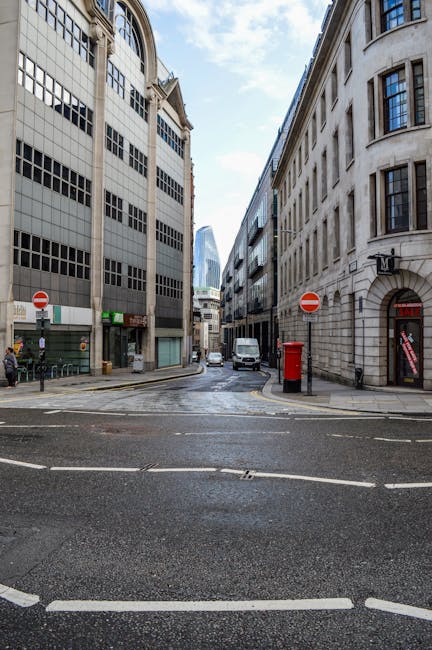
Loading bay rules on Praed Street: avoid fines in Paddington

If you are stopping on Praed Street to load or unload, the difference between a smooth drop-off and a costly penalty can be surprisingly small. One minute you are unloading boxes near Paddington Station, the next you are wondering whether that short stay was actually allowed. That is exactly why understanding Loading bay rules on Praed Street: avoid fines in Paddington matters. The details are not glamorous, but they save time, stress, and money. And in a busy London street, that is no small thing.
This guide breaks the subject down in plain English: how loading bays typically work, what drivers and businesses should check before stopping, the mistakes that trigger fines, and the best way to plan a lawful loading stop without turning the morning into a headache. There is a lot of noise around parking rules in central London. Let's cut through it.
Why Loading bay rules on Praed Street: avoid fines in Paddington Matters
Praed Street sits in one of the busiest parts of west London, with heavy traffic, narrow time windows, and a steady flow of vehicles trying to do the same thing at once. If you are a courier, tradesperson, retailer, caterer, facilities manager, or simply moving goods in and out of a nearby building, loading can look straightforward from the cab. In reality, the street environment is doing half the work against you.
A loading bay is not a free-for-all stopping space. It is a controlled kerbside area designed for short, purposeful loading or unloading. That sounds simple, but the rules around waiting, observations, vehicle activity, and signage are where people get caught out. A van parked in the right place at the wrong time can still attract a penalty if the stop does not meet the conditions of use. Annoying? Absolutely. But also avoidable.
On a street like Praed Street, the risk is higher because spaces are in demand and manoeuvring room is limited. Drivers often make quick judgments: "I'll be two minutes." Then a delivery runs long, someone is not at reception, or the goods are heavier than expected. That is how a small delay turns into a fine, and sometimes into a chain reaction of missed jobs for the rest of the day.
For businesses, the issue is bigger than one ticket. A repeated loading mistake can create reputational friction with customers, knock schedules off balance, and increase operating costs. For contractors, it can mean eating the cost of a penalty that should never have happened. Truth be told, the street does not care how rushed you feel.
How Loading bay rules on Praed Street: avoid fines in Paddington Works
Loading bay rules are usually a mix of road markings, signs, time restrictions, and local enforcement practice. On Praed Street, the practical question is not just "Can I stop here?" but "Can I stop here, for this purpose, right now, with this vehicle, and for this long?" That is the real test.
In everyday terms, here is how to think about it:
- Purpose: The stop must genuinely be for loading or unloading goods, not for making calls, waiting for someone, or taking a break.
- Vehicle activity: The loading should be active and connected to the vehicle. You should be able to show that the vehicle is being used for the delivery or collection.
- Time: The stay must fit the permitted loading window, where one exists, and stay within any time-limited rules shown on the signs.
- Location: The bay markings and adjacent signs determine whether you are allowed to use the space and under what conditions.
- Evidence: If challenged, it helps to have clear proof of the loading activity, such as delivery notes, job sheets, or timestamped records.
That last point matters more than people think. A driver may genuinely have been loading, but if no visible activity is happening when an enforcement officer arrives, the case can become harder to defend. The system is often judged on what can be observed, not just what was intended.
It also helps to understand the difference between a loading bay and a standard parking bay. A loading bay is usually time-sensitive and purpose-limited. A parking bay is about leaving a vehicle. That distinction sounds obvious on paper, yet it is where many penalties begin.
One more practical wrinkle: vehicle size and cargo type can affect how realistic a loading stop is. A small parcel van can usually move quickly. A two-person lift with bulky stock, awkward equipment, or pallets? That takes longer, and the bay may not be suitable if the job cannot be completed safely and efficiently within the allowed time. In that case, the right answer may be to plan a different approach rather than gamble on the kerb.
Key Benefits and Practical Advantages
Getting loading bay use right is not just about avoiding fines, although that is the obvious benefit. It also improves flow, reduces stress, and makes your day a lot less fragile. When one delivery runs late, good loading discipline can stop the whole route from sliding sideways.
| Benefit | What it means in practice | Why it helps on Praed Street |
|---|---|---|
| Avoid penalties | Stop only when the loading activity is lawful and documented | Busy enforcement areas leave little room for casual stops |
| Save time | Plan the exact stop, access point, and handover before arriving | Reduces circling and last-minute improvisation |
| Reduce stress | Know the rules before the vehicle is in position | Helps drivers stay calm in tight traffic conditions |
| Protect customer service | Arrive prepared and avoid avoidable delays | Important around stations, hotels, offices, and clinics |
| Improve compliance records | Keep notes and proof of loading activity | Useful if a ticket is challenged later |
There is also a quieter benefit: confidence. Drivers who know how to assess the bay quickly tend to work more efficiently. They spend less time second-guessing themselves and more time completing the job. That confidence spreads through the operation, especially if multiple staff members are loading in the same area.
For businesses, the practical advantage is consistency. You can build a repeatable routine: check the sign, confirm the purpose, make the handover, move on. Simple. Not easy every time, but simple.
Who This Is For and When It Makes Sense
This topic matters to anyone who stops on Praed Street for commercial reasons or regular goods movement. If your vehicle is there to load or unload, you are in the zone where the rules really matter. That includes small businesses with one van and larger operators managing multiple drops through Paddington.
- Couriers and same-day delivery drivers needing quick kerbside access.
- Tradespeople bringing tools, materials, or replacement parts to nearby jobs.
- Retailers and hospitality teams handling stock, supplies, or returns.
- Office managers and facilities teams coordinating deliveries to buildings with restricted access.
- Event crews moving kit in and out on a tight timetable.
- Private movers dealing with boxes, furniture, or bulky items in the Paddington area.
It also makes sense for anyone who is not sure whether a brief stop counts as lawful loading. That uncertainty is common. You might think, "I was only there for a moment." But enforcement does not always measure intent the way drivers do. Was the vehicle genuinely engaged in loading? Was someone actively moving goods? Was the stop within the permitted conditions? Those are the questions that matter.
If you are planning a frequent route through the area, it is worth treating Praed Street as a location that deserves a bit more preparation than a quieter suburban street. A rushed approach works once or twice, maybe. Then it bites back.
Step-by-Step Guidance
Here is a practical way to handle loading on Praed Street without relying on luck. This is the part to skim before a job, and then actually use on the day.
- Check the exact bay location before you arrive. Not every space labelled "loading" works the same way. Read the sign, look at the markings, and note the direction of travel so you do not end up stopping on the wrong side of the restriction.
- Confirm the purpose of the stop. Ask a simple question: am I genuinely loading or unloading goods right now? If the answer is fuzzy, the stop is risky.
- Prepare the goods before parking. Gather paperwork, keys, trolleys, and access instructions in advance. The less time you spend faffing around at the curb, the better.
- Keep the vehicle activity obvious. If possible, make the loading visible and continuous. Long gaps can make the stop harder to justify.
- Use only the time you need. Do not let the vehicle sit while someone "just checks something inside." That sort of drift is where trouble starts.
- Document the job. Keep timestamps, delivery notes, collection references, or job records. A quick photo of the loaded goods or a dispatch record can help if there is a dispute later.
- Move on promptly once finished. The safest loading stop is the one that ends as soon as the task is complete.
If you are managing a team, standardise this process. A short driver briefing before the shift can prevent avoidable errors all week. You do not need a huge manual. A one-page operating note is often enough. Honestly, that beats a pile of apologetic phone calls after the fact.
One useful habit: if there is any doubt, do not assume the bay is fine just because another van is using it. Other drivers may be making the same mistake you are trying to avoid. Not a great benchmark, to be fair.
Expert Tips for Better Results
There are a few habits that separate the drivers who sail through loading stops from the ones who end up arguing with a windscreen ticket at 7:40 in the morning. None of them are complicated, but they do require a bit of discipline.
1. Build in a buffer. If a job usually takes 12 minutes, do not plan it as a 12-minute stop. Allow a cushion for lift delays, security desks, awkward parcels, and the person who is "just coming down now." Around Paddington, that buffer is often the difference between calm and chaos.
2. Treat signage as the final word. Road markings help, but signs usually carry the operative restrictions. Always read the actual sign nearest the bay. If the sign conflicts with what you expected, trust the sign.
3. Make loading visible. In practice, the clearer the loading activity, the easier it is to understand the stop. A trolley, hand-truck, or obvious goods movement helps show the purpose of the visit.
4. Keep proof tidy. Evidence scattered across phone photos, emails, and WhatsApp messages is not ideal. Better to keep one organised record for the job. It saves time if a challenge ever becomes necessary.
5. Train every driver the same way. A business is only as compliant as its least-informed driver. A good route plan means little if one person treats the rules as optional.
6. Respect the street rhythm. Praed Street can feel relentless during busy periods. Cars, buses, taxis, cyclists, pedestrians, all moving at once. That is exactly when rushed decisions happen. Slow down mentally before you stop.
And yes, sometimes you will need to walk the last bit with a load because the bay position is not ideal. Not glamorous. But better than a ticket and a wasted afternoon.
Common Mistakes to Avoid
Most loading fines are not caused by one dramatic error. They come from small assumptions piling up. The good news is that these are usually preventable.
- Stopping without checking the sign. This is the classic one. Never rely on memory alone.
- Using the bay for waiting rather than active loading. A driver may call it "standing by"; enforcement may not.
- Leaving the vehicle unattended too long. If no one is clearly loading, the stop becomes vulnerable.
- Overrunning the time window. A few extra minutes can matter more than you expect.
- Assuming delivery paperwork is enough on its own. Useful, yes. A complete defence by itself, not always.
- Ignoring access issues. If the building is not ready to receive the goods, the stop can drag out.
- Blocking traffic while "just finishing up." That habit is bad for everyone and can make enforcement attention more likely.
Here is the awkward bit: many drivers know the rules in theory and still get caught in practice because the job was more complex than planned. That is normal. The fix is not perfection; it is better planning.
Ask yourself: if someone watched this stop for five minutes, would it clearly look like loading? If not, that is your warning sign.
Tools, Resources and Recommendations
You do not need fancy equipment to comply well, but a few practical tools make life easier. Think of them as small safeguards, not magic bullets.
- Route notes or job sheets: Helpful for recording the exact delivery or collection purpose.
- Timestamped phone photos: Useful as simple evidence of activity and timing.
- Delivery references: Keep them easy to find in case a challenge is raised.
- Loading aids: Trolleys, straps, dollies, and gloves can speed up the job and reduce time at the kerb.
- Driver briefing checklist: A short checklist can reduce mistakes more effectively than memory.
If you manage repeat operations around Paddington, it may also be sensible to keep a location-specific note for Praed Street. Include access points, likely pinch points, ideal arrival windows, and any site contact details. That little bit of forethought can save a lot of back-and-forth.
For businesses comparing support options, it can help to speak with specialists who understand kerbside loading patterns in central London. If you need broader operational support beyond one-off advice, you may also find useful guidance from pages like office clearance in London or house clearance across London, especially where bulky item movement and access planning are part of the job. The exact fit depends on your situation, of course.
Law, Compliance, Standards, or Best Practice
Loading and unloading rules sit within wider parking and traffic control frameworks, and the exact restrictions can vary by location. On Praed Street, the safest approach is to treat the signed conditions at the bay as the starting point, then make sure your activity genuinely matches those conditions.
From a compliance point of view, the important principles are usually these:
- Read the restriction in full. The bay sign is not decorative. It tells you what is allowed, when, and how.
- Use the space only for the permitted purpose. If the bay is for loading, use it for loading.
- Keep your activity continuous where possible. Long, unexplained pauses are risky.
- Retain sensible evidence. You may need to show the stop was genuine.
- Do not assume a short stay is automatically exempt. Duration alone is not the whole story.
Best practice goes a step further than bare compliance. It means planning the loading process so the driver, the goods, and the access point all work together. That includes confirming who is receiving the load, whether there is lift or concierge access, and how long the physical handover is likely to take. A good loading routine is not flashy, but it is reliable. And reliability wins on streets like this.
If you are unsure, it is always wiser to be conservative than to gamble on an assumption. A penalty is annoying. A repeated pattern of avoidable penalties is worse.
Options, Methods, or Comparison Table
There is more than one way to handle a loading stop in a dense London location. The best choice depends on the type of goods, the vehicle, and the pressure of the schedule. Here is a practical comparison.
| Method | Best for | Pros | Cons |
|---|---|---|---|
| Kerbside loading bay stop | Fast, visible loading or unloading | Usually the most direct option, minimal walking distance | Strict timing and purpose limits; easy to misuse |
| Pre-arranged building access | Deliveries to offices, hotels, or managed premises | More controlled handover, better security | Depends on reception, lifts, and access readiness |
| Off-street staging nearby | Bulkier moves or longer handling time | Reduces pressure on the loading bay itself | May add walking distance and coordination effort |
| Split delivery approach | Large or awkward items | Can shorten each individual loading stop | Takes planning and maybe extra labour |
In real life, the right method is often a mix. A courier may use the bay. A removals team may stage off-street and move in controlled bursts. A retailer may set up a timed handover with the building manager so the kerbside time is as short as possible. There is no prize for doing it the hardest way.
Case Study or Real-World Example
Picture a van arriving on Praed Street early on a weekday morning. The driver is picking up boxed office supplies from a nearby building and expects the job to take about ten minutes. The bay looks available, traffic is already building, and the temptation is to stop first and think later. Classic.
Instead, the driver checks the bay sign, confirms the loading window, and calls the office contact before parking. The receptionist says the goods are ready downstairs, but the lift is still in use. That small detail changes everything. Rather than waiting in the bay and hoping for the best, the driver staggers the handover, times the lift return, and keeps the loading continuous once it starts. The stop is short, visible, and clearly connected to the collection.
Now compare that with the less careful version. The van parks. The driver waits for the call. The collection area is not ready. A few minutes pass. Then a couple more. At that point the stop starts to look like waiting, not loading. Same street, same vehicle, same intention - but very different outcome.
The lesson is simple: the location is only half the story. The process matters just as much. If the goods, the access, and the timing are aligned before you stop, you reduce the chance of a problem dramatically.
Practical Checklist
Use this before stopping on Praed Street. It is short on purpose.
- Have I read the bay sign nearest to where I will stop?
- Is my activity genuine loading or unloading, not waiting?
- Are the goods ready to move now?
- Do I know how long the handover should take?
- Do I have any paperwork, job reference, or delivery note to hand?
- Is the vehicle positioned safely and legally?
- Will the loading activity be obvious if someone observes it?
- Have I planned for access issues, lift delays, or building check-in time?
- Can I move off promptly once the goods are dealt with?
- Would I be comfortable explaining this stop later if asked?
If the answer to any of those is "not really," pause and rethink the stop. A brief delay now can save a much bigger delay later. That is just smart working.
Conclusion
Loading on Praed Street is not something to wing. The street is busy, the rules are specific, and the margin for error is thin. But with a clear plan, a proper read of the signage, and a disciplined approach to loading activity, you can keep things moving and avoid the penalties that catch people out. The difference is usually preparation, not luck.
For drivers and businesses working in Paddington, the winning formula is straightforward: confirm the bay conditions, make the loading real and visible, keep the stop tight, and keep evidence of what you did. That approach is practical, defensible, and far less stressful than hoping no one notices. And honestly, once you build the habit, it becomes second nature.
Get a free quote today and see how much you can save.
Frequently Asked Questions
Can I stop in a loading bay on Praed Street for a few minutes?
Only if the stop genuinely meets the loading or unloading conditions shown on the signs. A few minutes is not automatically allowed just because it is short. The purpose matters just as much as the duration.
What counts as loading or unloading for enforcement purposes?
It usually means active movement of goods to or from the vehicle. Waiting, paperwork, making calls, or standing by for someone to arrive does not usually count on its own.
Do I need proof if I use the bay for loading?
It is wise to have some form of proof. Delivery notes, job references, timestamps, or photos can help if a penalty is questioned later. You may not need them every time, but they can be very helpful.
Is a loading bay the same as a parking bay?
No. A loading bay is generally for short, purpose-specific use connected to goods movement. A parking bay is for leaving a vehicle. Mixing the two up is a common cause of fines.
What if the building is not ready when I arrive?
That is one of the most common risks. If the goods or access point are not ready, the loading stop can drag on and become harder to justify. It is better to coordinate first if you can.
Can I use the bay if I am just waiting for a customer to open the door?
That is risky. Waiting is not the same as loading. If no active loading is taking place, the stop may not be lawful even if you expect the handover to happen soon.
How can I reduce the chance of a fine near Paddington Station?
Plan the handover before you stop, read the sign carefully, keep the loading activity visible, and move off promptly once finished. Around busy streets like Praed Street, tidy planning matters a lot.
What if another driver is already in the bay?
Do not assume that means it is fine. Another vehicle using the bay does not guarantee compliance. Check the signs and your own circumstances before copying what someone else is doing.
Are there special rules for vans versus cars?
The key issue is usually the activity and the restriction, not just the vehicle type. That said, larger vehicles may make loading easier to identify, while smaller vehicles may be more likely to look like general parking if the activity is unclear.
Should I use hazard lights while loading?
Some drivers do, but hazard lights do not make an unlawful stop lawful. They are not a substitute for reading the sign and meeting the loading conditions. Think of them as visibility, not permission.
What is the safest approach if I am unsure about the bay?
If in doubt, do not assume. Check the signage, confirm your purpose, and consider a different arrangement if the loading task is likely to take too long. That cautious approach is often the cheapest one.
Can a business reduce repeated loading mistakes across multiple drivers?
Yes. A simple checklist, a location note for Praed Street, and a short driver briefing can make a big difference. Consistency is what turns one good stop into a reliable routine.
Busy streets reward calm, not guesswork. Get the process right once, and it starts paying you back every day.